How do we know genes are encoded in DNA?

This article was published by the Grad School Digest Blog. Click the title to be linked to the full article.

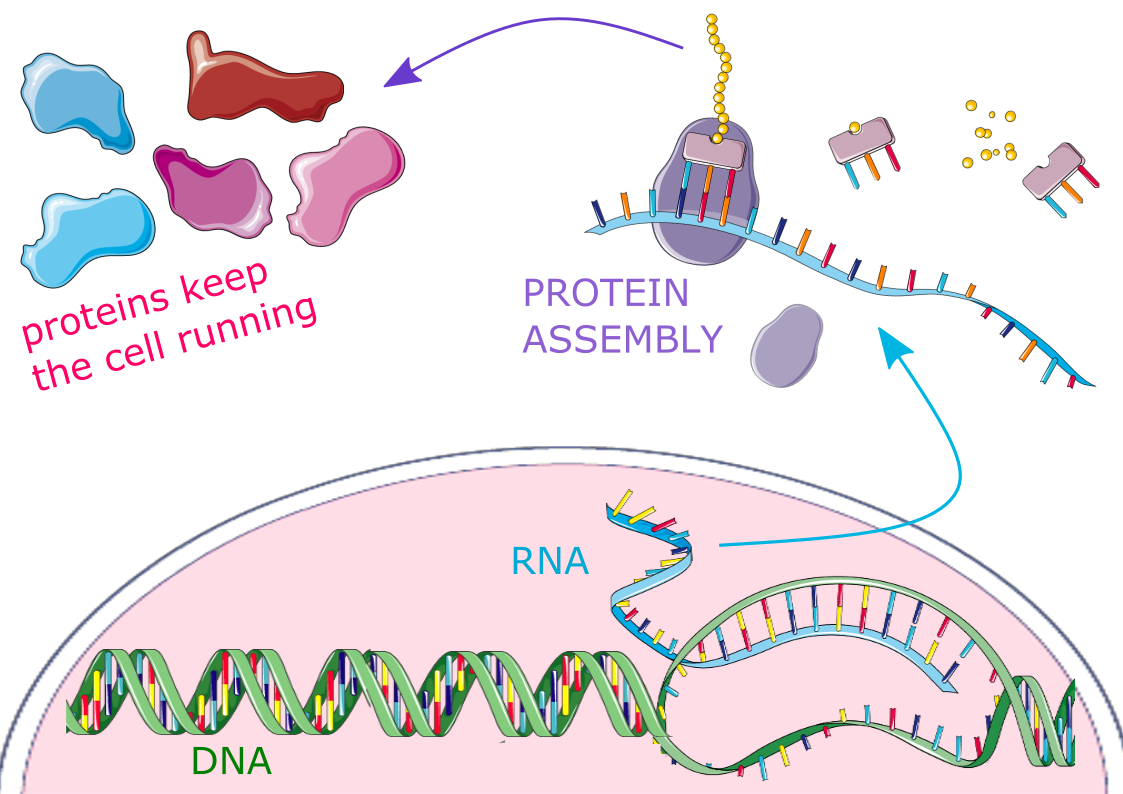
EXCERPT: This is something every high school biology student knows: Genes are the building blocks of life, and genes are encoded in DNA. Nowadays, this is an unquestionable fact, but actually, we didn’t know that DNA was so important for life until 1944 [1]. That’s less than a hundred years ago. That’s at the tail end of the Second World War – which means that every single person fighting in the First World War did not know what we now know, that genes are made of DNA.
How your cells stop cancer before it starts.

This article was published by the Grad School Digest Blog. Click the title to be linked to the full article.

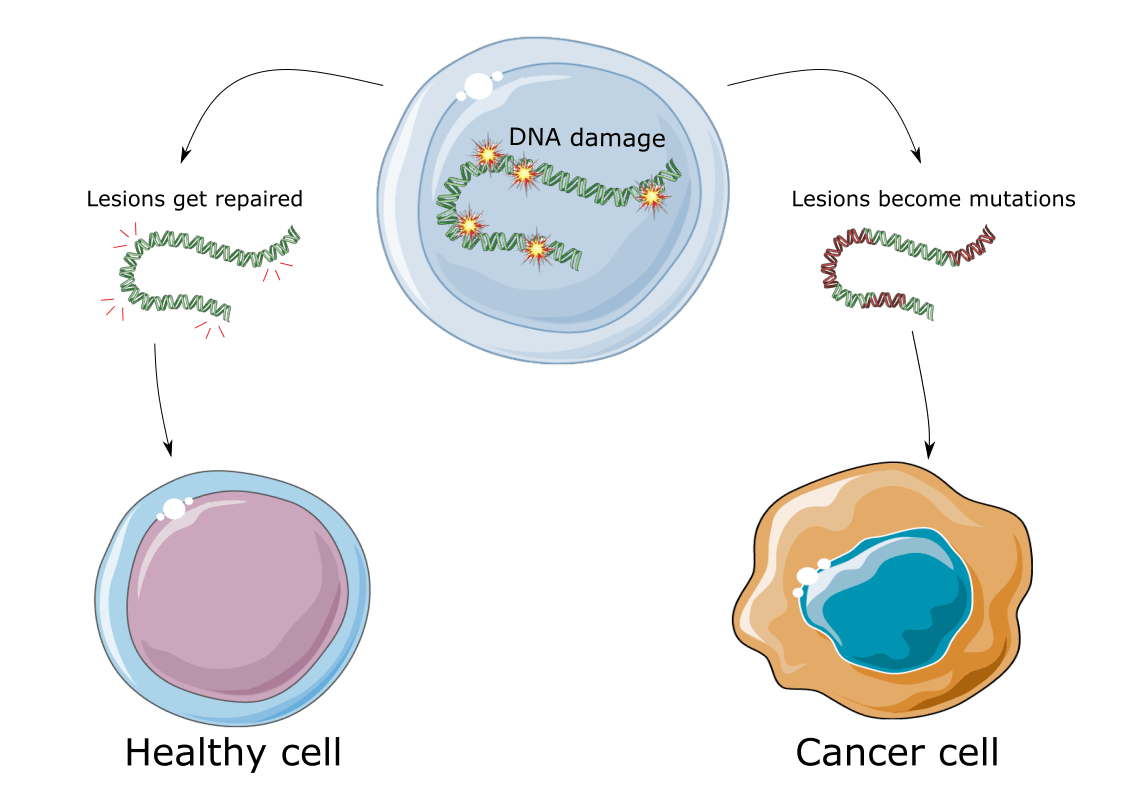
EXCERPT: Your DNA, at least in part, makes you who you are. DNA encodes genes, genes encode proteins, and proteins allow your cells to do their jobs. If anything breaks – if your DNA gets damaged and an essential gene mutates, for instance – the cell can die. Or, often worse, the cell can live, and continue to divide. It can accumulate more mutations, a rolling ball that can culminate in the growth of a tumour. With the risk of cancer in the mix, you might think that cells would pull out all the stops, avoiding any kind of DNA damage at all costs. But increasingly, research is suggesting that DNA damage is just a part of life. Your cells experience tens of thousands of DNA lesions every single day, but for the most part…everything is fine.

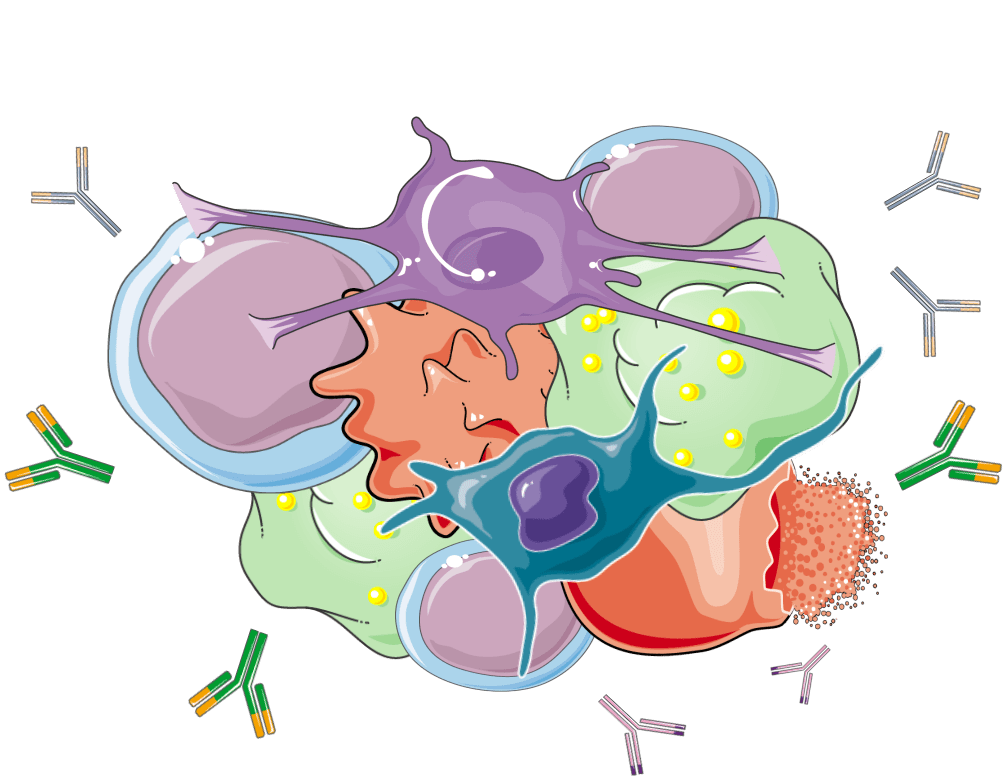
How your immune system recognizes damaged cells.

This article was published by the Grad School Digest Blog. Click the title to be linked to the full article.

EXCERPT: Last month, I wrote a post called How your cells stop cancer before it starts, which focused on the fact that, despite us being exposed to DNA-damaging events pretty much all the time, we are not all walking bags of cancer. I then touched on a few reasons why this is the case, including some self-correcting and protective cellular mechanisms that keep track of our DNA; the fact that you need several mutations, in just the right places, to start a cancer growing; and that when cells do start to accumulate potentially dangerous DNA damage events, they are sometimes seen and eliminated by your immune system, which can kill a potential tumour before it gains a foothold.

But how exactly does your immune system recognize a damaged cell? After all, damaged or not, those cells are still you.

What is CRISPR? A discussion on the science of gene editing.

This article was published by the Grad School Digest Blog. Click the title to be linked to the full article.

EXCERPT: What comes to mind when you hear the term “gene editing”? Something out of a science-fiction movie, a dimly lit laboratory with scientists in white coats moving smoky liquids around, injecting patients with questionable fluids, a mutated outcome that no one expected? Gene editing has been popularized in movies like Gattaca and Splice, painting a portrait of gene editing as something sinister, something that can change everything about a person and that can spiral out of control. In November 2018, a researcher in China claimed to have edited the genes of a human embryo that became twin baby girls [1]. That was a highly unethical and technically flawed study, and in 2020 that researcher was sentenced to three years in prison [2] but it brought the process of gene editing into the public eye. In particular, we are talking about a piece of technology broadly known as CRISPR, and while many people have heard this word, there is (understandably!) a lot of confusion about what it is, and what gene editing can do.

The bacteria causing stomach ulcers…and why you might want to keep them

Note: This article was originally published with CurioCity Science Magazine on December 17, 2018. Imagine these symptoms: A pain in your stomach that makes you not want to eat. Constant nausea, vomiting, bloating, and heartburn. Getting tired easily, and losing weight quickly. These are all symptoms of a ​stomach ulcer​, a painful sore on the liningContinue reading “The bacteria causing stomach ulcers…and why you might want to keep them”

Why is it so hard to wake up for school?

Note: This article was originally published with CurioCity Science Magazine on December 19, 2017. Tell me if this sounds familiar: Your alarm goes off at 7:00 am. It’s a school day. It’s time to get out of bed and get ready to make that early morning bell. But in that moment, you feel as thoughContinue reading “Why is it so hard to wake up for school?”

The immune response: A cellular war

This article was originally published for CurioCity Magazine on July 17, 2017. Its updated version can be found here: https://letstalkscience.ca/educational-resources/stem-in-context/immune-response Every day, you encounter things that can make you sick. From bacteria to viruses to fungi, the world around you is full of pathogens, organisms (usually microorganisms) that can cause disease. And yet, you mightContinue reading “The immune response: A cellular war”